„Black Sand“ (Hamburg, 2025)
Poetry
2m58s
English
Monologue/Poem
I used to think sand was all black
I remember my dad used to bring us to Hac Sa
And he would tell us these stories about seeing a typhoon by the beach
I remember he told us that
He chased the wind
Once, he drove to the sea
looking without worrying
and faced the storm
The water was freezing
He stood there, sneezing
Another time, he was with me
I was six years old
I saw the biggest wave of my life
I never forget it
He lived in his madness and died with his fullness
I saw the flame of his body
And so I see new colors
Poetry
2m58s
English
Monologue/Poem
I used to think sand was all black
I remember my dad used to bring us to Hac Sa
And he would tell us these stories about seeing a typhoon by the beach
I remember he told us that
He chased the wind
Once, he drove to the sea
looking without worrying
and faced the storm
The water was freezing
He stood there, sneezing
Another time, he was with me
I was six years old
I saw the biggest wave of my life
I never forget it
He lived in his madness and died with his fullness
I saw the flame of his body
And so I see new colors
Contextualization
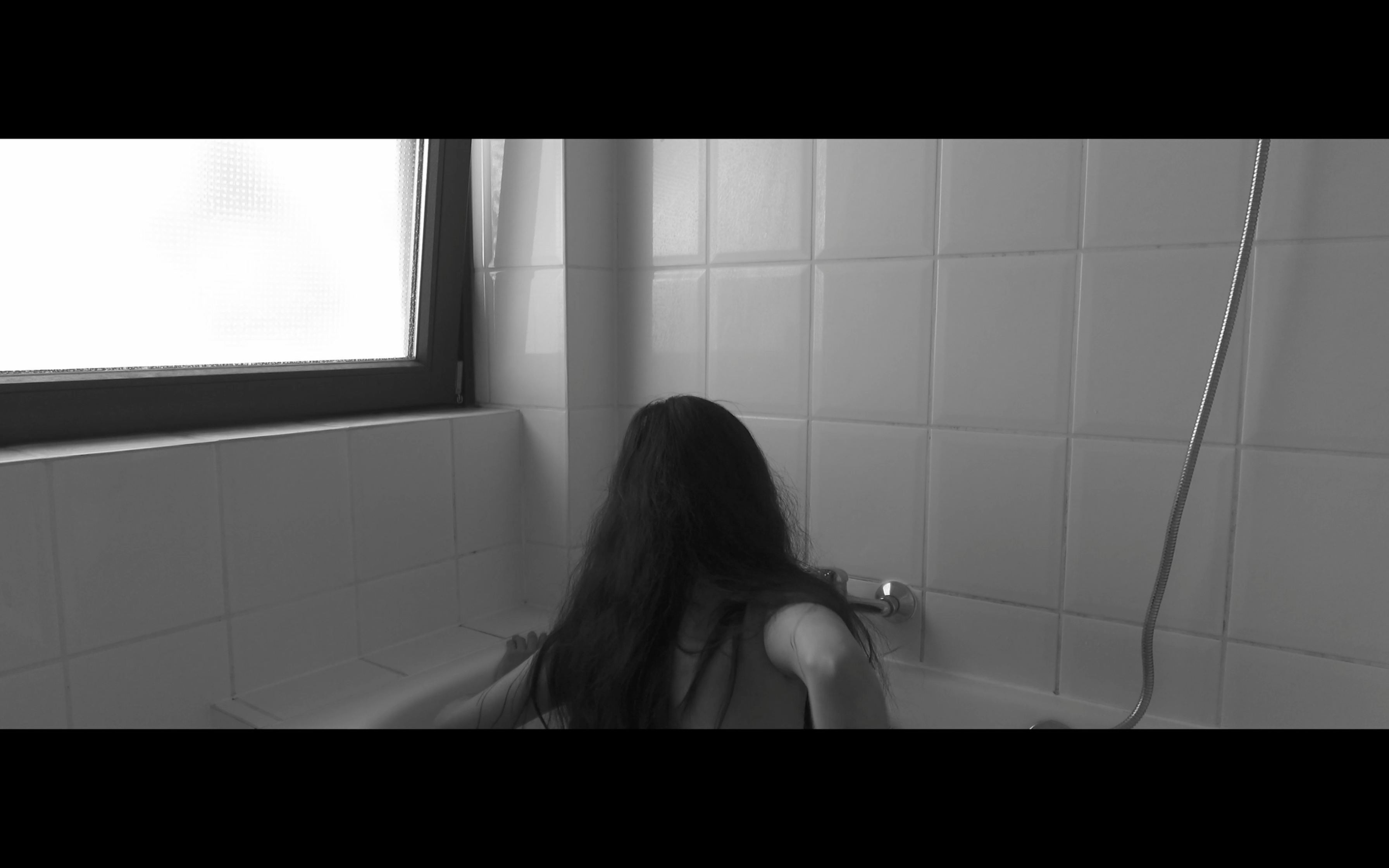
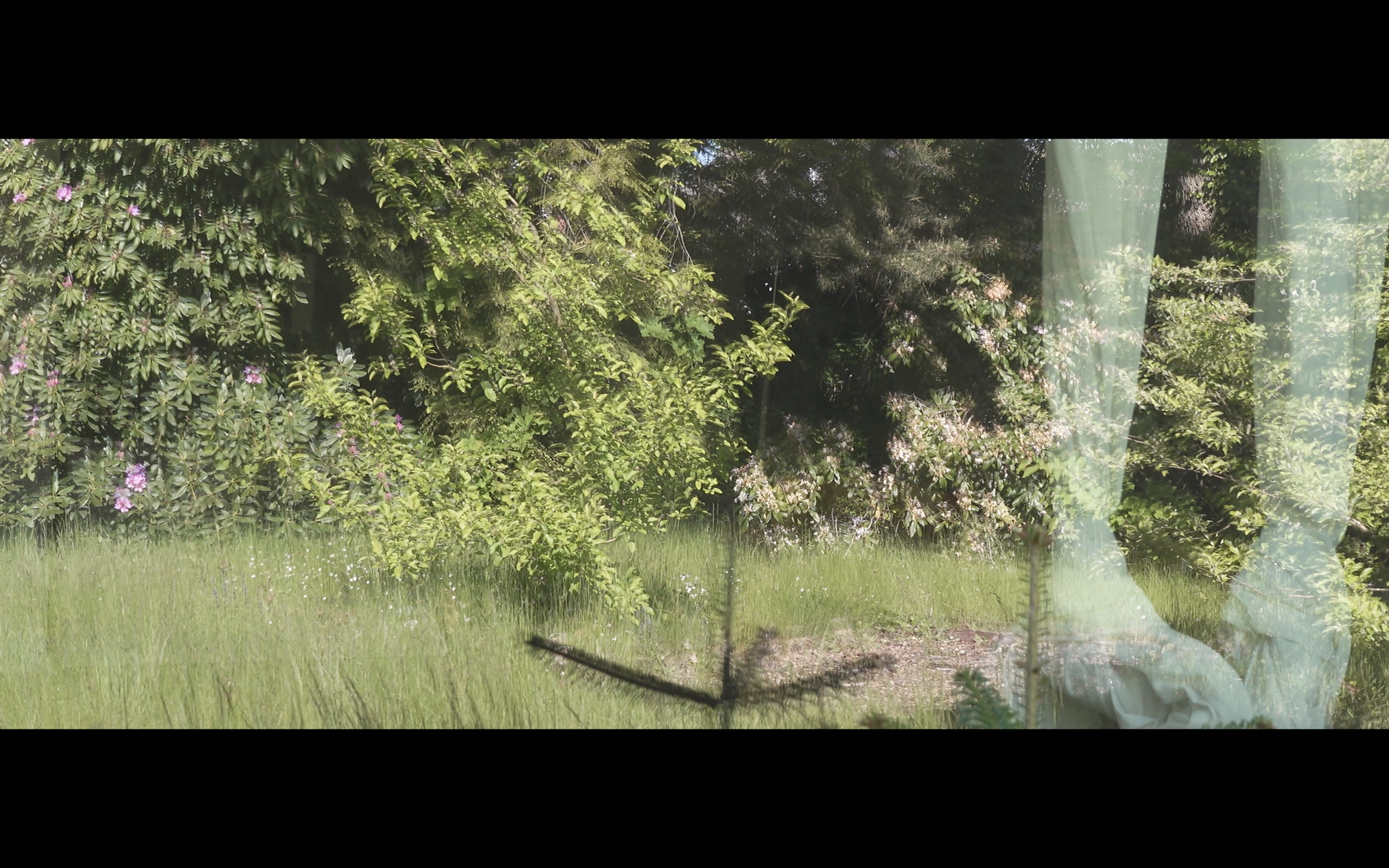
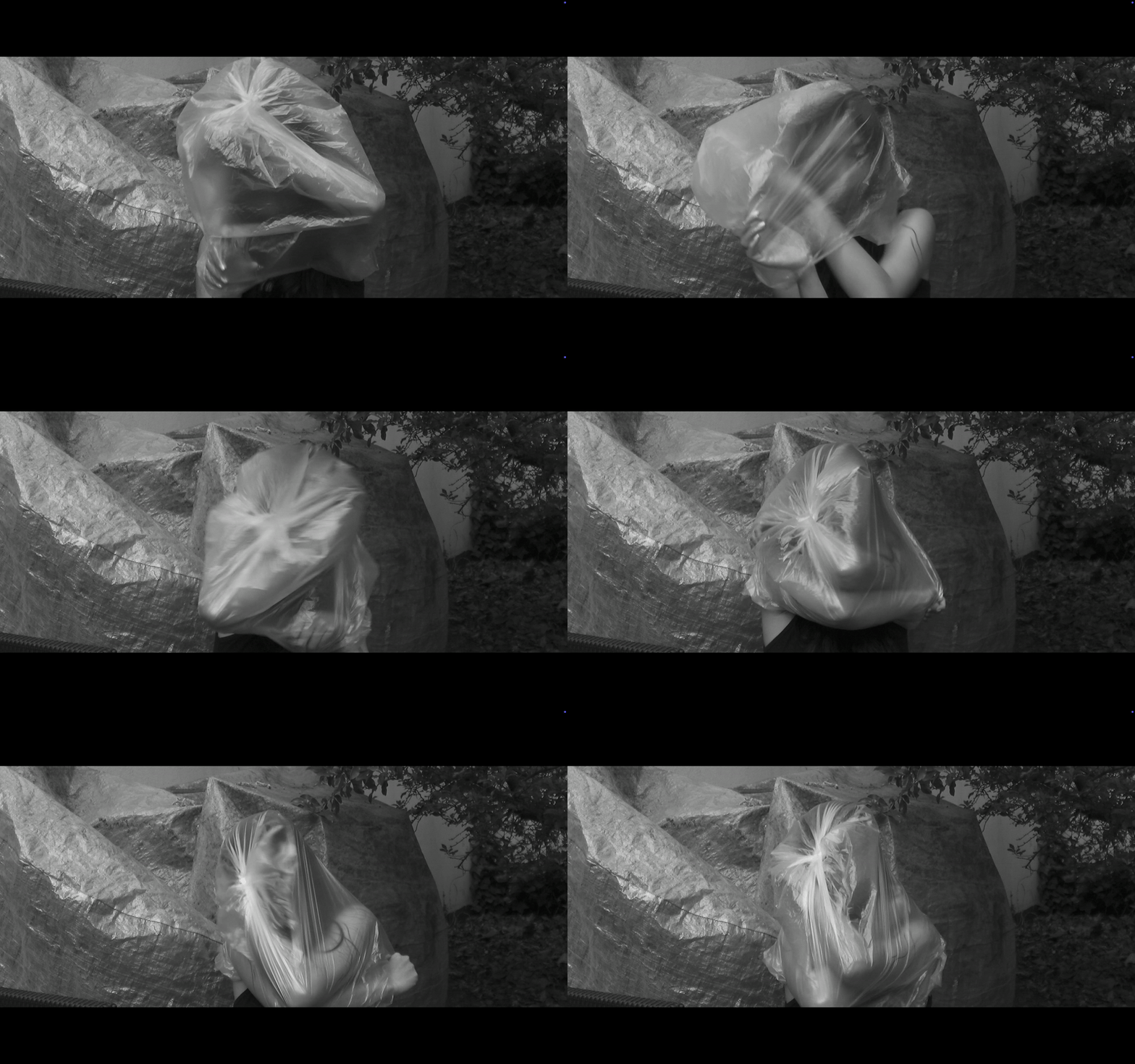
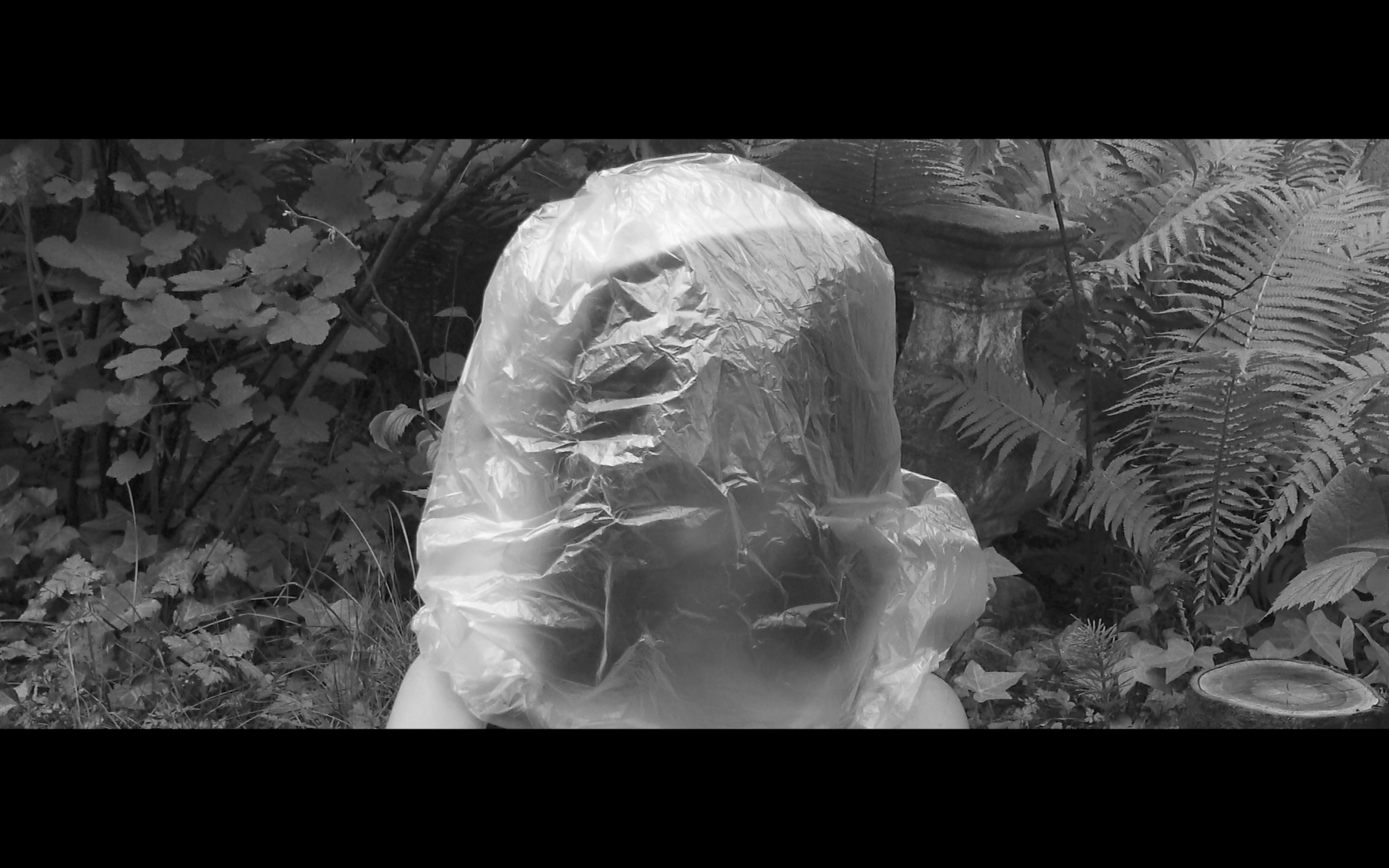
This film was developed as a personal exploration of memory, loss, and cultural ritual, rooted in my own childhood experiences. I created the footage combining filmed scenes, monologue, and symbolic imagery to evoke a typhoon, the sea, and the black sand beach of my childhood. The work reflects on the death of my father, using ritual and cultural symbolism.
In Macau, there is a beach called Hac Sa, which translates to "Black Sand Beach." As a child, I believed that all sand was black, since this was the only beach I had ever encountered. The black sand, therefore, became an enduring symbol in my memory, representing both the specific place and time of my childhood, as well as a metaphor for death. In Chinese culture, there is a belief that the ashes of a person who has died from an illness may turn black or grey.
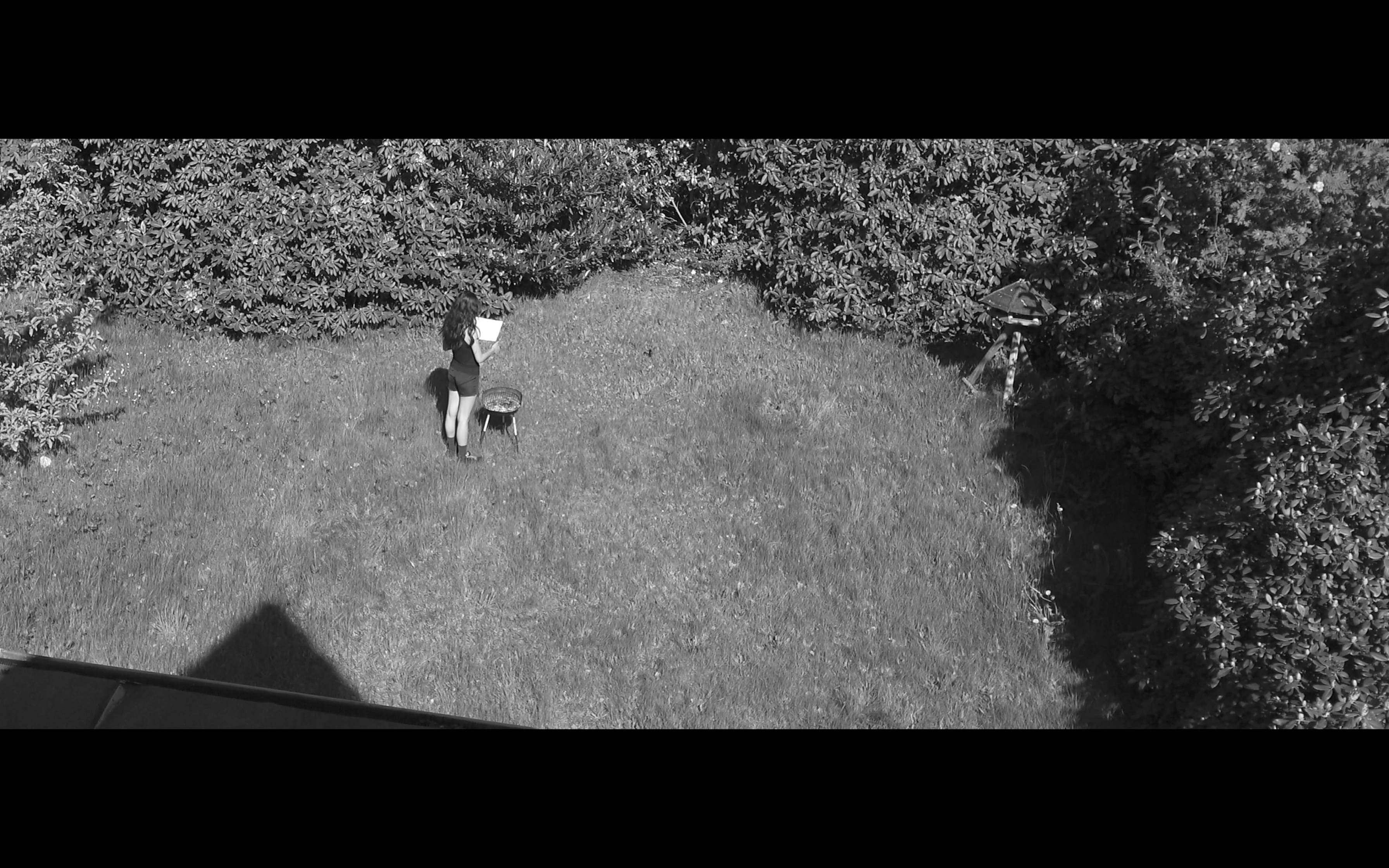
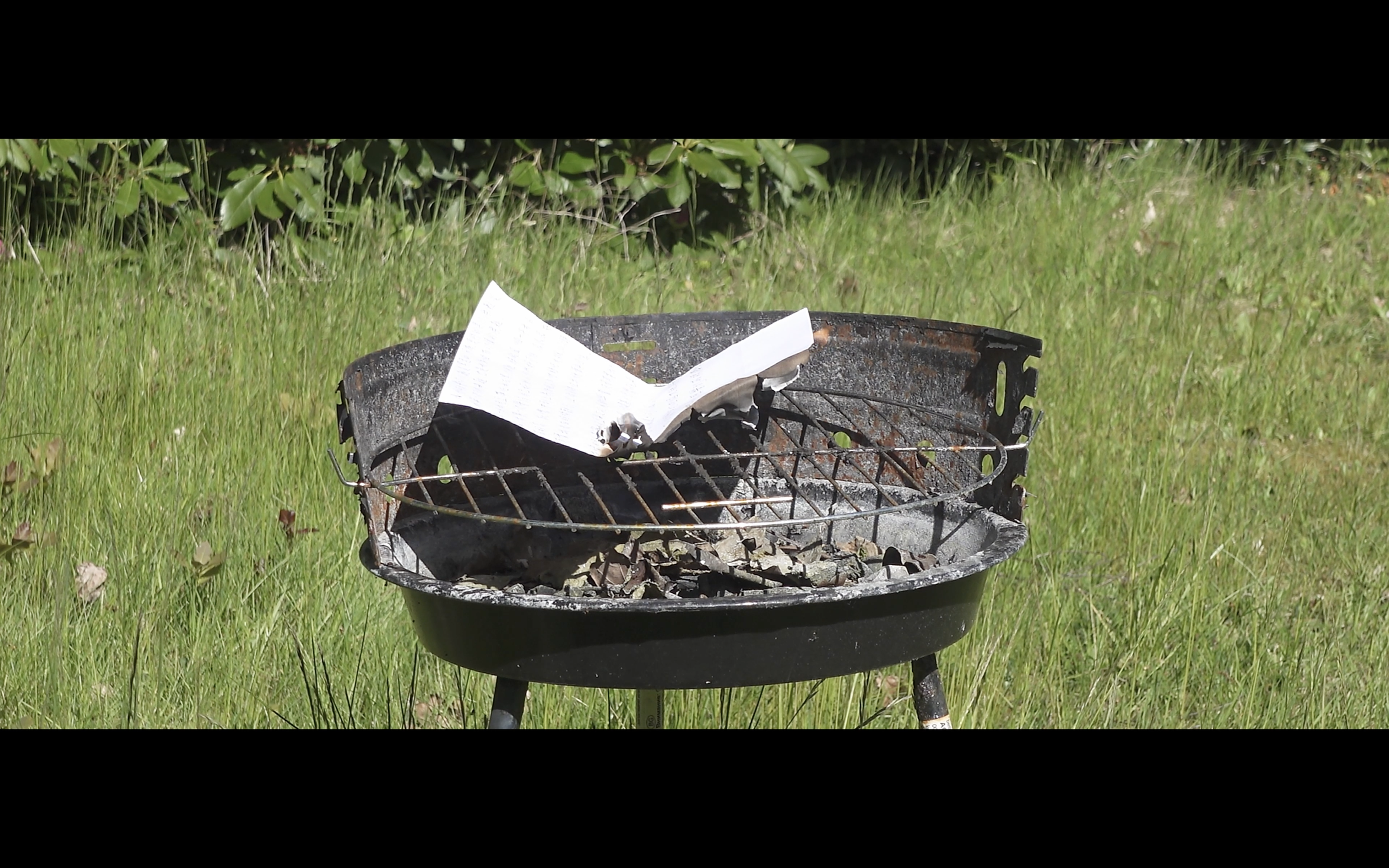
The act of burning joss paper, often referred to as "ghost money", is a traditional Cantonese practice performed to honour deceased ancestors. The idea is that by burning these symbolic offerings, the living help ensure the comfort and well-being of their ancestors in the afterlife. This ritual is commonly associated with the Qingming Festival or funerary ceremonies, and it expresses both reverence and filial piety. In the context of the film, I chose to burn a letter to my late father, symbolizing my attempt to send him this fragment of memory, a moment from my past that we once shared. The sound of the letter burning in the film was imitating the chanting of a Taoist priest, traditionally heard during Cantonese funeral ceremonies.
This film was developed as a personal exploration of memory, loss, and cultural ritual, rooted in my own childhood experiences. I created the footage combining filmed scenes, monologue, and symbolic imagery to evoke a typhoon, the sea, and the black sand beach of my childhood. The work reflects on the death of my father, using ritual and cultural symbolism.
In Macau, there is a beach called Hac Sa, which translates to "Black Sand Beach." As a child, I believed that all sand was black, since this was the only beach I had ever encountered. The black sand, therefore, became an enduring symbol in my memory, representing both the specific place and time of my childhood, as well as a metaphor for death. In Chinese culture, there is a belief that the ashes of a person who has died from an illness may turn black or grey.
The act of burning joss paper, often referred to as "ghost money", is a traditional Cantonese practice performed to honour deceased ancestors. The idea is that by burning these symbolic offerings, the living help ensure the comfort and well-being of their ancestors in the afterlife. This ritual is commonly associated with the Qingming Festival or funerary ceremonies, and it expresses both reverence and filial piety. In the context of the film, I chose to burn a letter to my late father, symbolizing my attempt to send him this fragment of memory, a moment from my past that we once shared. The sound of the letter burning in the film was imitating the chanting of a Taoist priest, traditionally heard during Cantonese funeral ceremonies.