„Second Daughters“ (Münster, 2025)
Documentary
6m3s
English and Cantonese Dialogues with English Subtitles
Synopsis
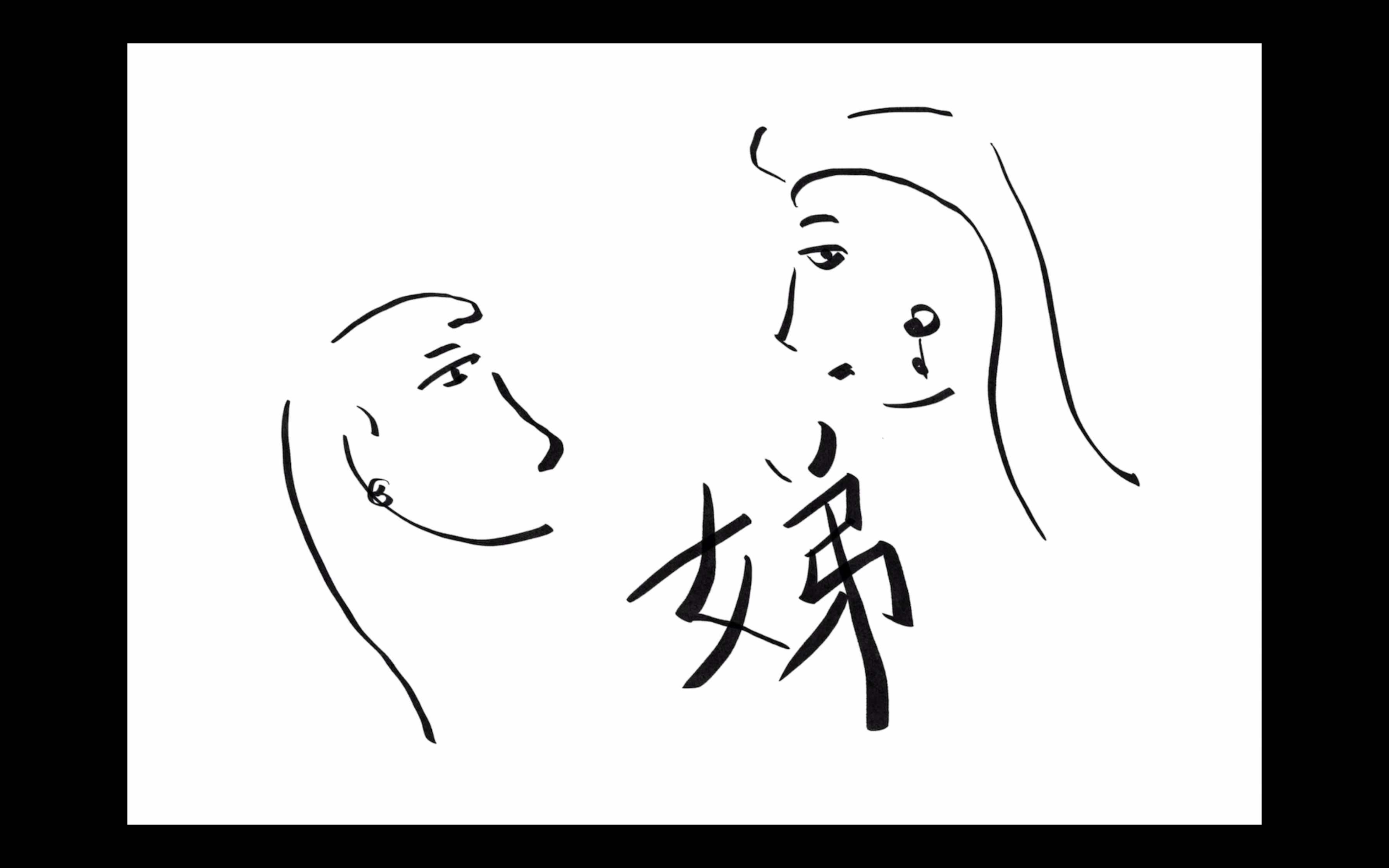
The meaning of my mother’s name, with the Chinese character “娣”, is a wish for a son. I was told that my mom had an abortion before I was born, and I wondered if I, too, was unwanted as a second daughter.
Director’s Note
Something as simple as a name can carry generations of hope. This film reveals something about gender expectations in my family.
The discovery of my mother’s name made me think about how names carry unspoken desires and disappointments. Women with the same name in her generation or from a village in mainland China are a social phenomenon, and names usually stick with people for their whole lives. The meanings of names are important. I think it is an interesting entry point to raise the hidden value on the table.
The preference for a son is still so traditionally common in Chinese cultures, and it is also influenced by family planning policies and cultural pressure.
Documentary
6m3s
English and Cantonese Dialogues with English Subtitles
Synopsis
The meaning of my mother’s name, with the Chinese character “娣”, is a wish for a son. I was told that my mom had an abortion before I was born, and I wondered if I, too, was unwanted as a second daughter.
Director’s Note
Something as simple as a name can carry generations of hope. This film reveals something about gender expectations in my family.
The discovery of my mother’s name made me think about how names carry unspoken desires and disappointments. Women with the same name in her generation or from a village in mainland China are a social phenomenon, and names usually stick with people for their whole lives. The meanings of names are important. I think it is an interesting entry point to raise the hidden value on the table.
The preference for a son is still so traditionally common in Chinese cultures, and it is also influenced by family planning policies and cultural pressure.
Contextualization
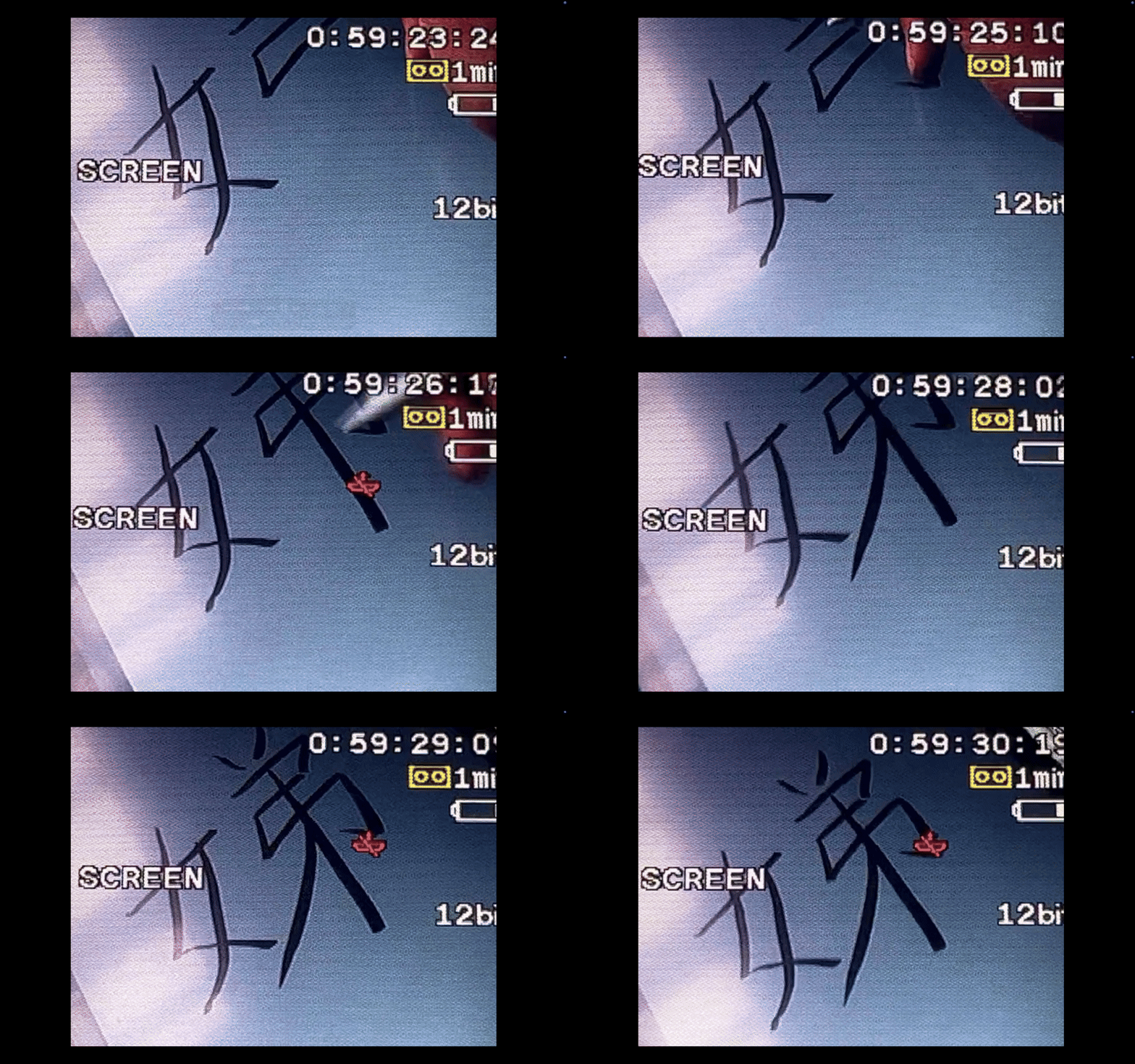
The film grew from my interest in a Chinese character from my mother’s name, which led me to reflect on family expectations, gender roles, and my experience as a second daughter. The film combines personal narration, dialogue, and archival material to explore how memory, identity, and generational expectations shape relationships.
Character structure
The radical “女” on the left signals a female-related meaning; the radical “弟” on the right means younger brother
娣 traditionally means “younger sister-in-law”, specifically: a younger brother’s wife, or a woman of lower rank in a hierarchical family structure
While the single character does not explicitly mean “hope for a son,” the character 娣 does suggest:
In families with traditional gender expectations, giving a daughter a name with 娣 may implicitly reflect her position as "the other girl", especially if the firstborn was also a daughter and the family was hoping for a son.
The film grew from my interest in a Chinese character from my mother’s name, which led me to reflect on family expectations, gender roles, and my experience as a second daughter. The film combines personal narration, dialogue, and archival material to explore how memory, identity, and generational expectations shape relationships.
Character structure
The radical “女” on the left signals a female-related meaning; the radical “弟” on the right means younger brother
娣 traditionally means “younger sister-in-law”, specifically: a younger brother’s wife, or a woman of lower rank in a hierarchical family structure
While the single character does not explicitly mean “hope for a son,” the character 娣 does suggest:
- A secondary or lower female status within the family
- Often used to contrast with or complement an older daughter or sibling
- In some contexts, 娣 appears in names that express familial hierarchy (like being the second girl)
In families with traditional gender expectations, giving a daughter a name with 娣 may implicitly reflect her position as "the other girl", especially if the firstborn was also a daughter and the family was hoping for a son.
P.S. The film was screened at a semi-public occasion. At the moment, I have decided not to screen it publicly in the future because it contains family archive footage, even though I recorded most of the material myself as a child. I am still not fully comfortable sharing my family’s intimacy with a wider audience. Nevertheless, the concept was successfully conveyed, and the project served as an important creative practice for me as a filmmaker to confront my own personal obstacles. Through the process, I was healed and reconciled with my mother, and in that sense, the film has already fulfilled its purpose.